In today’s fast-paced work environment, the importance of creating a serene and inspiring workspace cannot be overstated. Incorporating elements of nature into office decor has emerged as a powerful strategy to enhance employee well-being and productivity. With the rise of remote work and flexible office spaces, businesses are increasingly recognizing the need for environments that foster creativity and reduce stress. This article explores the benefits of integrating natural elements into office decor and provides actionable insights for creating a wellness-oriented workspace.
The Psychological Benefits of Nature
Research has consistently shown that exposure to natural elements can significantly improve mental health. A study published in the Journal of Environmental Psychology found that individuals who worked in environments with natural light and greenery reported a 15% increase in overall well-being. This connection between nature and mental health is crucial for businesses aiming to enhance employee satisfaction and retention. By incorporating plants, natural light, and organic materials into office design, companies can create a more inviting atmosphere that promotes positive emotions.
Moreover, the presence of nature in the workplace has been linked to reduced stress levels. According to a report by the American Psychological Association, employees who have access to natural views experience lower levels of anxiety and higher levels of focus. This is particularly relevant in high-stress industries where burnout is common. By prioritizing natural elements in office decor, employers can foster a healthier work environment that supports mental clarity and emotional resilience.
Designing with Natural Elements
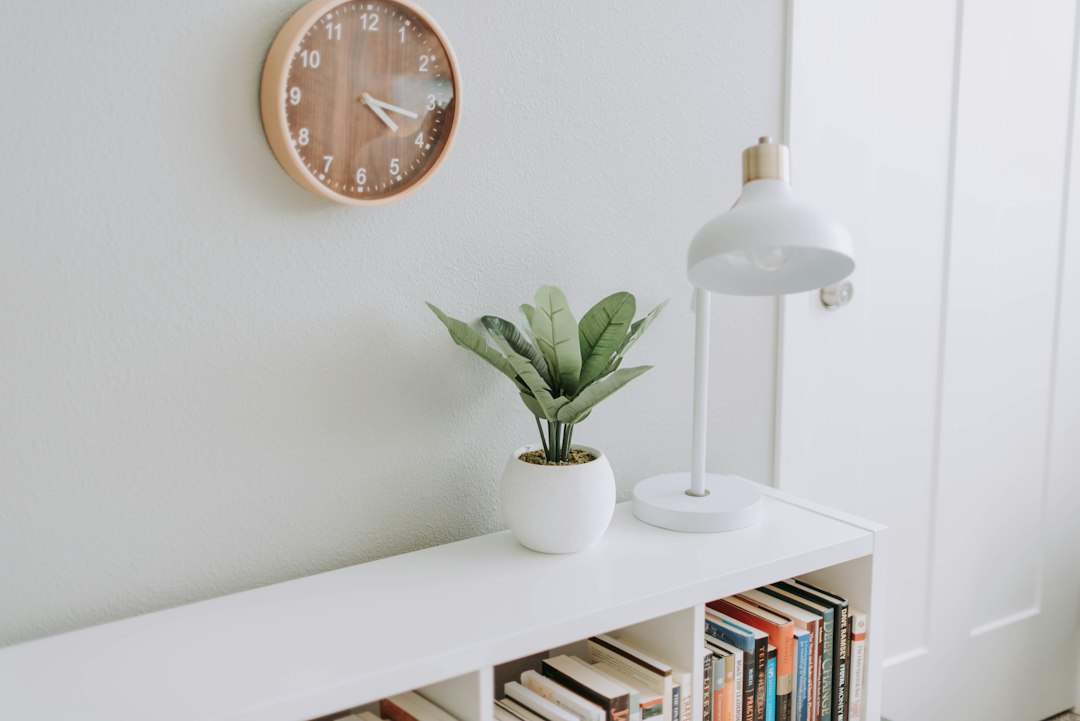
When it comes to incorporating nature into office decor, the options are vast and varied. One effective approach is to introduce indoor plants, which not only enhance aesthetics but also improve air quality. Studies indicate that certain plants, such as snake plants and peace lilies, can remove toxins from the air, creating a healthier workspace. Additionally, the act of caring for plants can provide employees with a sense of responsibility and connection to their environment, further enhancing their overall well-being.
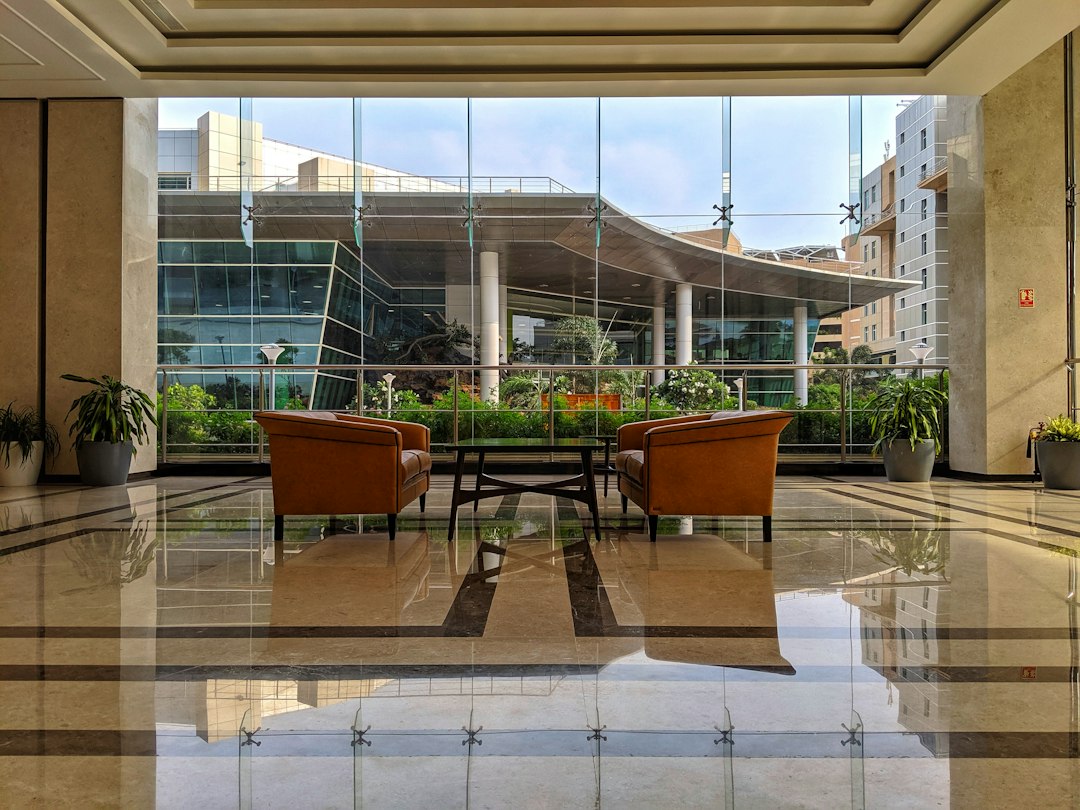
Another design strategy is to maximize natural light. Offices that utilize large windows or skylights can significantly reduce the need for artificial lighting, which has been shown to improve mood and productivity. Furthermore, using natural materials such as wood, stone, and bamboo in furniture and decor can create a warm and inviting atmosphere. These elements not only contribute to a calming environment but also reflect a commitment to sustainability, which resonates with today’s eco-conscious consumers.
The Impact on Productivity
Incorporating nature into office decor is not just about aesthetics; it also has a measurable impact on productivity. A study by Human Spaces found that workplaces with natural elements can increase employee productivity by up to 15%. This boost in efficiency can be attributed to the enhanced focus and creativity that natural environments promote. By creating a workspace that prioritizes well-being, companies can unlock the full potential of their employees.
Moreover, the integration of nature into office design can lead to lower absenteeism rates. Employees who feel comfortable and inspired in their work environment are less likely to take sick days. This not only benefits the individual but also contributes to the overall success of the organization. By investing in nature-inspired office decor, businesses can create a culture of health and productivity that ultimately drives performance.
Key Insight: The Future of Office Design
As the landscape of work continues to evolve, the importance of wellness-oriented office design will only grow. Companies that prioritize the incorporation of natural elements into their spaces will likely see a competitive advantage in attracting and retaining top talent. According to recent market statistics, the global office decor market is projected to reach $100 billion by 2025, with a significant portion of that growth driven by wellness-focused design trends.
In conclusion, incorporating nature into office decor is not merely a trend; it is a strategic investment in employee well-being and organizational success. By embracing the psychological and productivity benefits of natural elements, businesses can create workspaces that inspire creativity, reduce stress, and enhance overall performance. As we move forward, the integration of nature in office design will play a pivotal role in shaping the future of work.